CS43198 and CS43131 DAC sound defects

CS43198 and CS43131 sound quality test - online test


Listen to the test track on-line


Download the test track

Download the original test track in the format: flac


This is a test for devices using the CS43198 or CS43131 DAC.

The test is designed to detect the presence or absence of a sound defect in the form of "clicks".

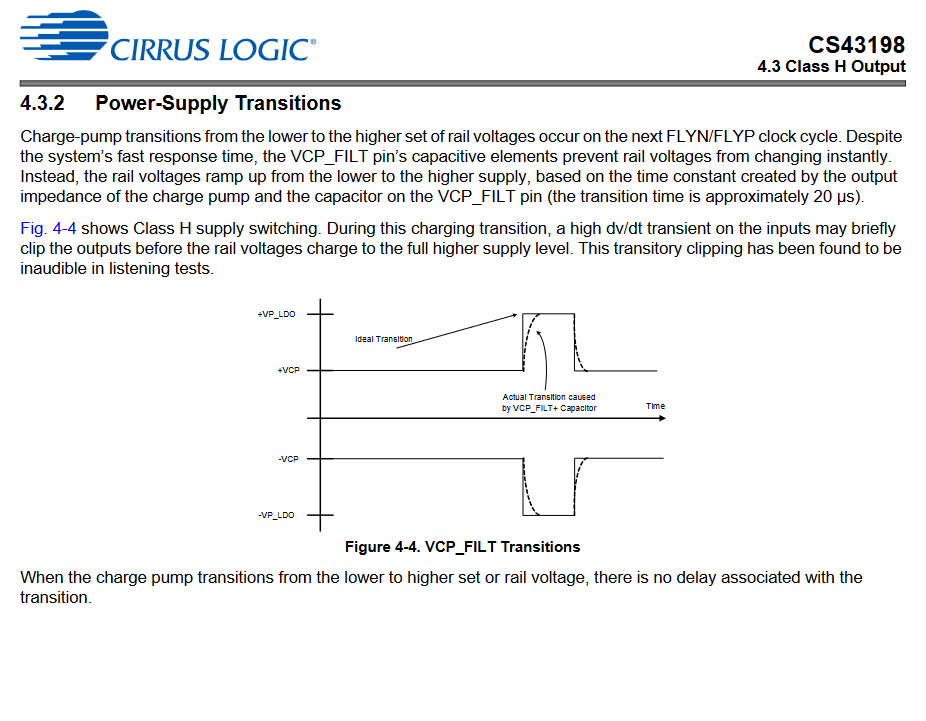
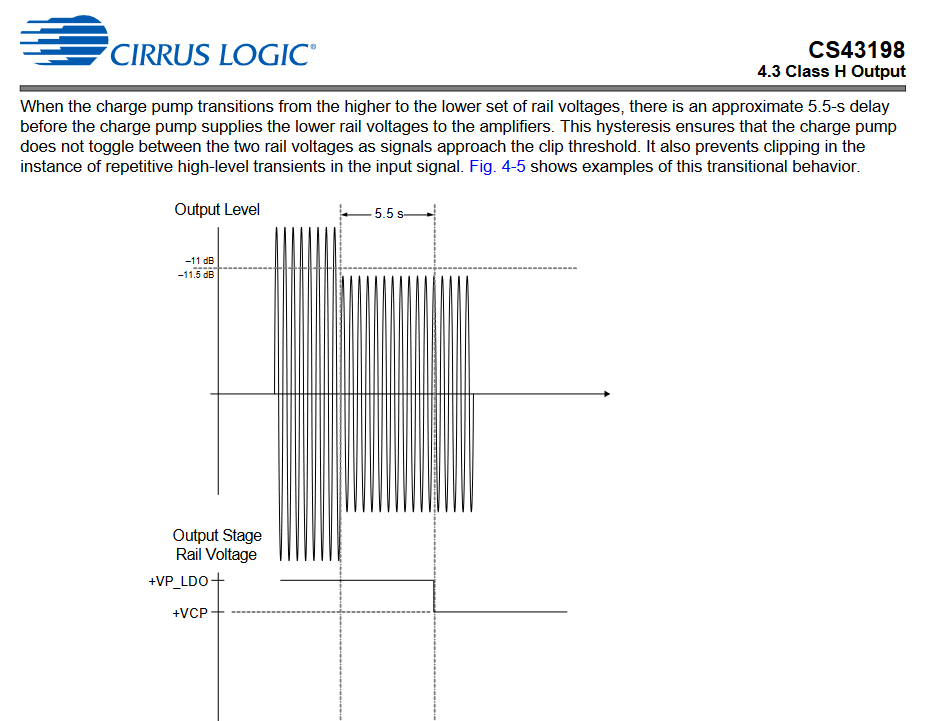
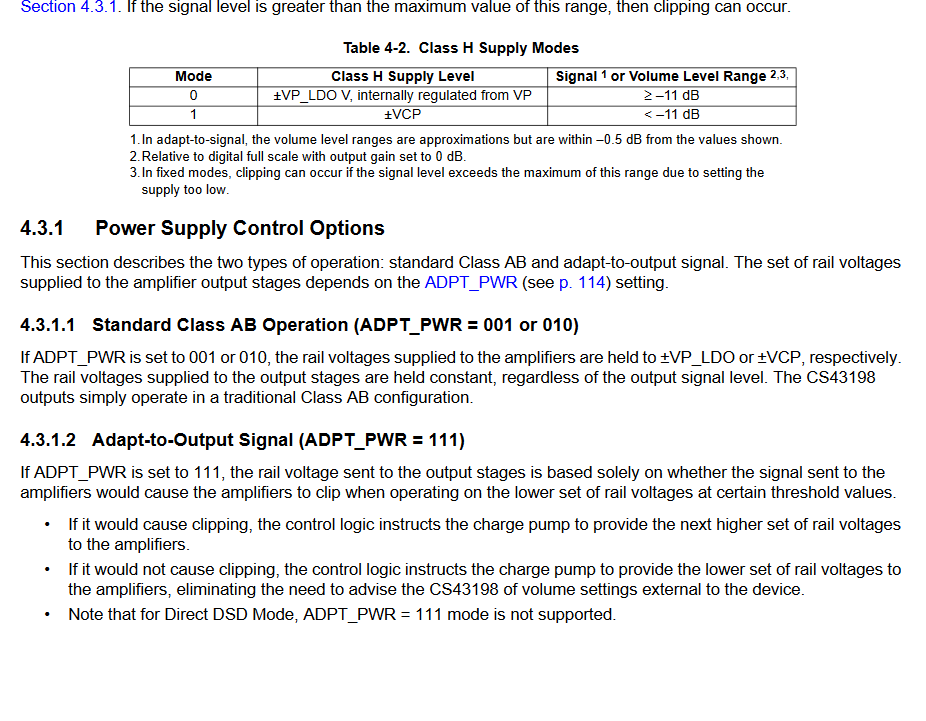
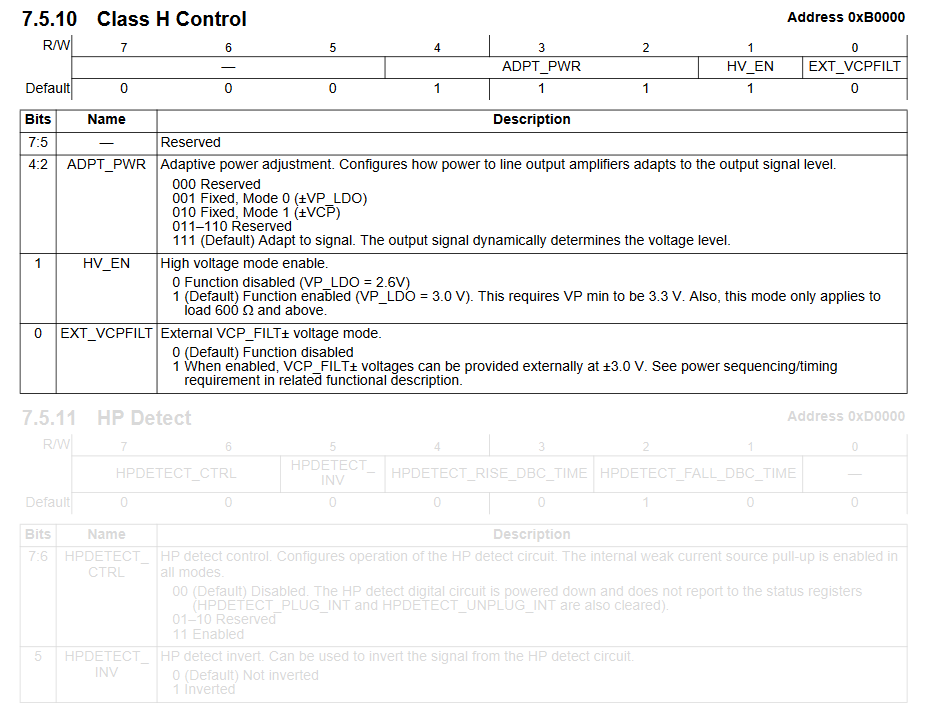
One of the versions of the cause of the sound defect is the CS43198/CS43131 power saving mode. In this mode, the analog path operates in class H instead of AB.

The essence of the Class H mode in CS43198 or CS43131

Depending on the amplitude of the sound wave, the power supply voltage level automatically changes and a transient process is possible, which, according to the DAC manufacturer, should not be audible. The ADPT_PWR setting is responsible for enabling the mode. This mode is "default" for CS43198 and CS43131. Unfortunately, manufacturers usually do not activate these DAC models in a higher-quality AB mode.

How the clicks on the test fragment sound

The number of clicks depends on the shape and volume of the original signal, and accordingly their presence and audibility depend on the position of the volume control in the DAC or before the DAC. If the volume control is used after the DAC, and 0 dBFS is set in the DAC itself, then it is most likely unlikely to hear clicks explicitly. If the volume level is used up to or in the DAC below -30 dBFS, then clicks will not be heard in the same way. But, it all depends on the structure of the original musical signal.

Here, as an example, is a separate piece of music with a roll of drums (Dune Sketchbook Soundtrack - Song Of The Sister, Hans Zimmer).

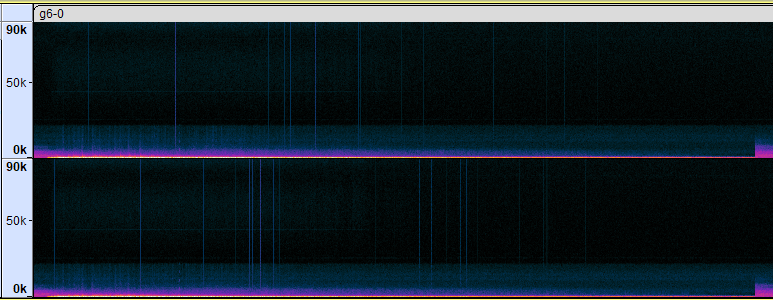
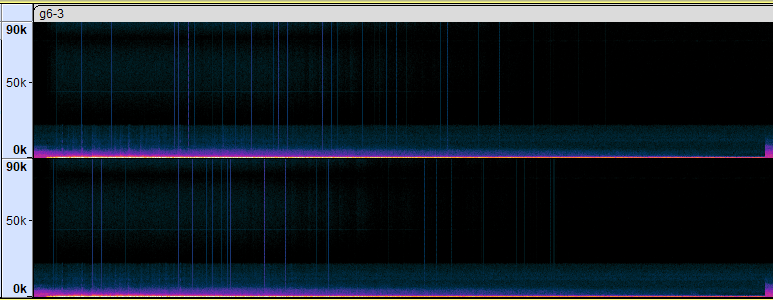
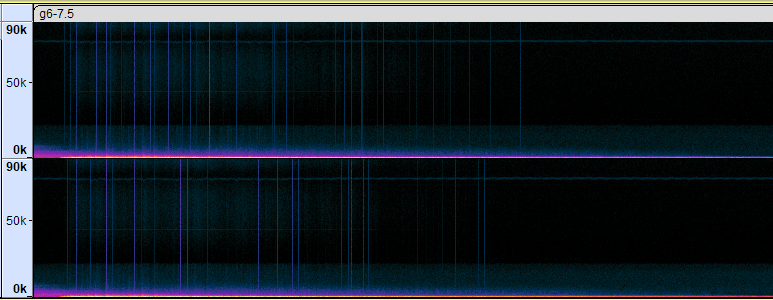
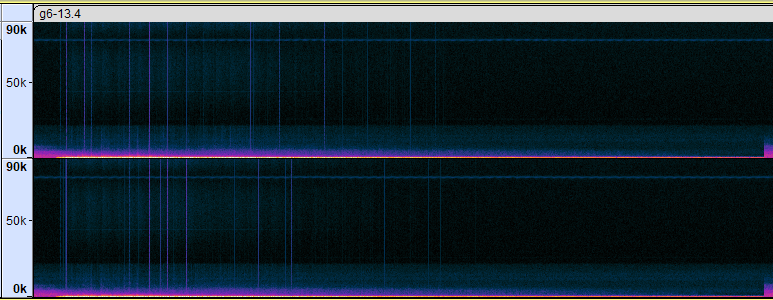
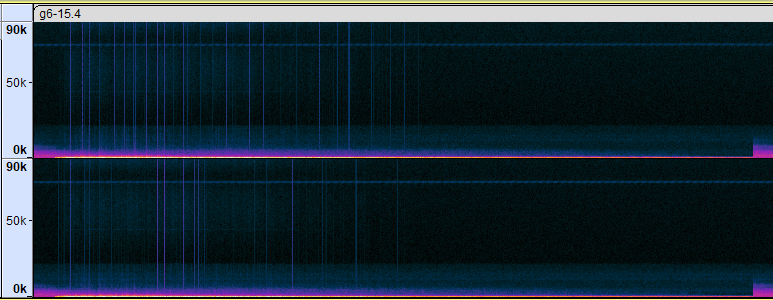
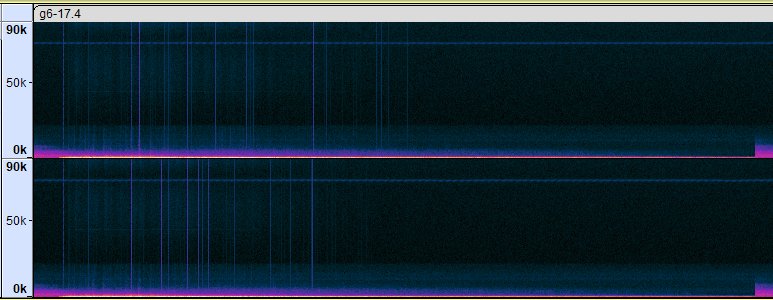
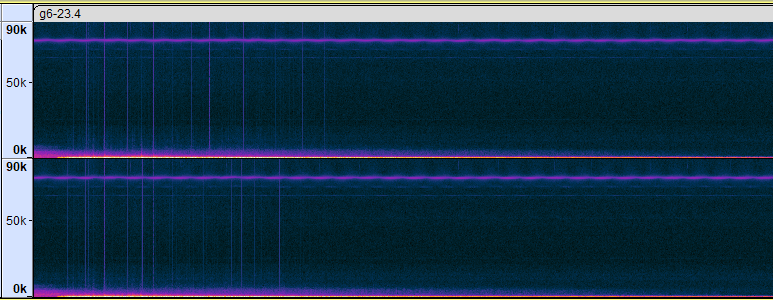
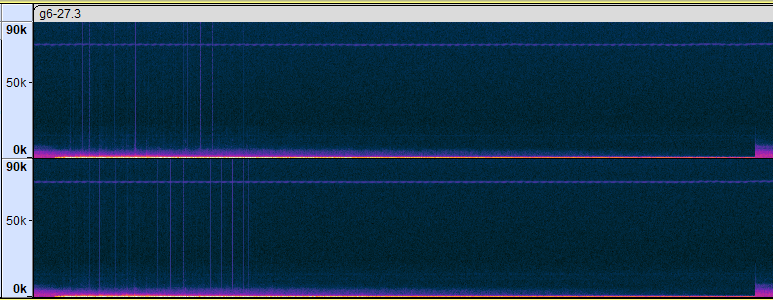
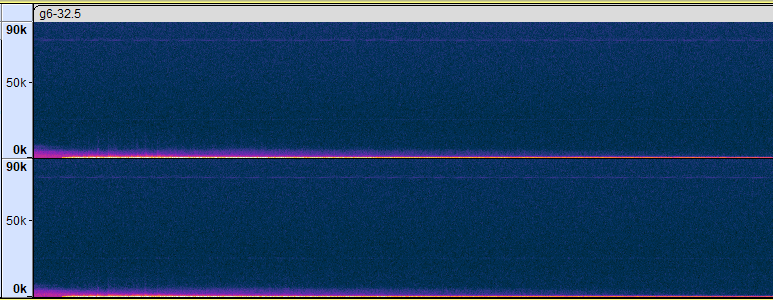
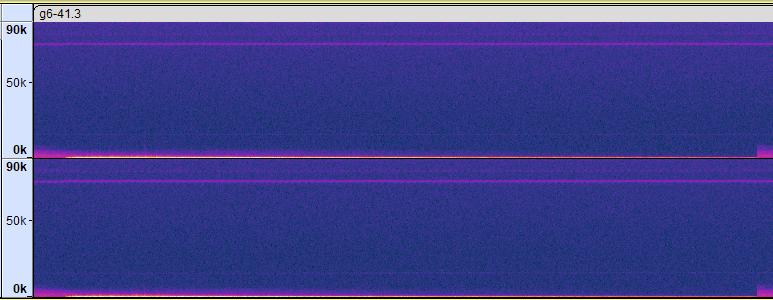
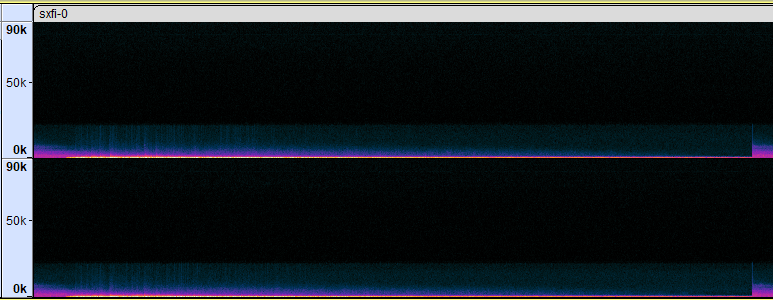
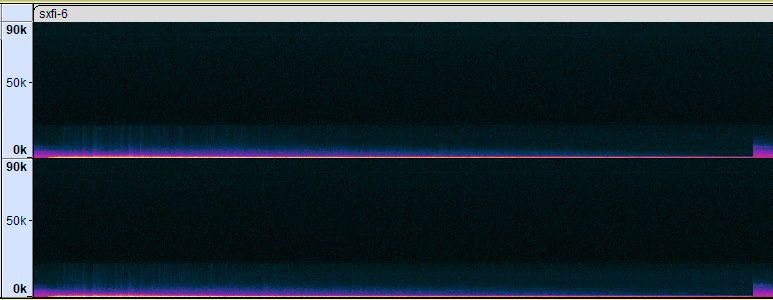
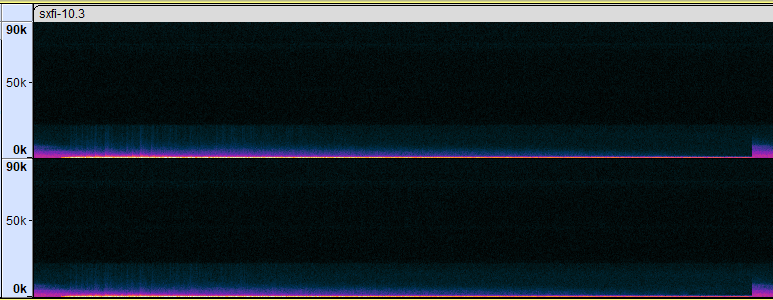
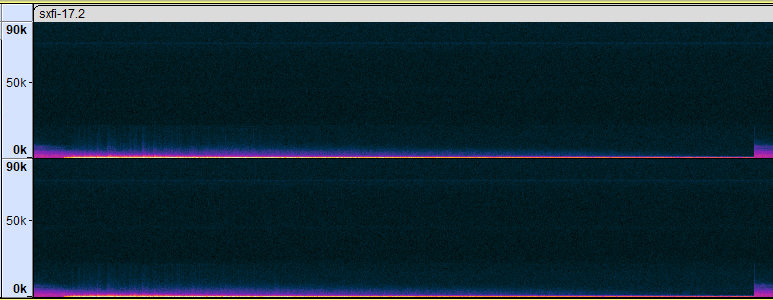
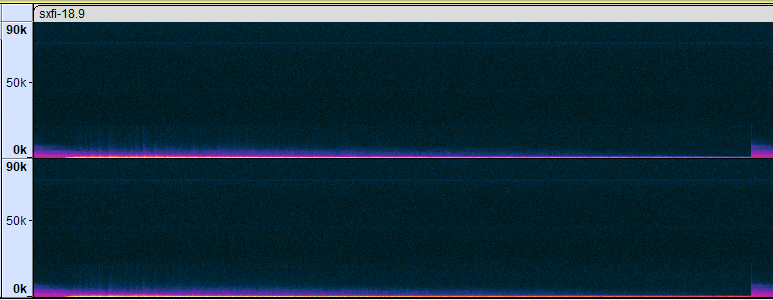
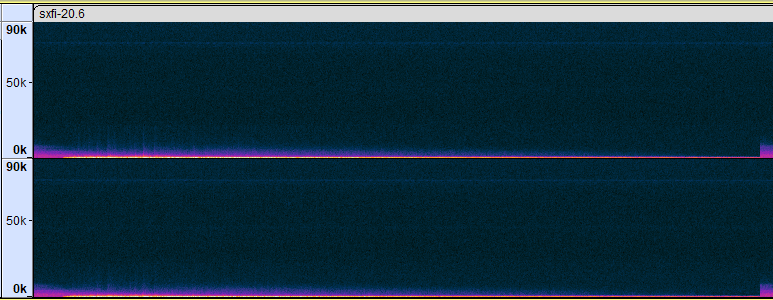
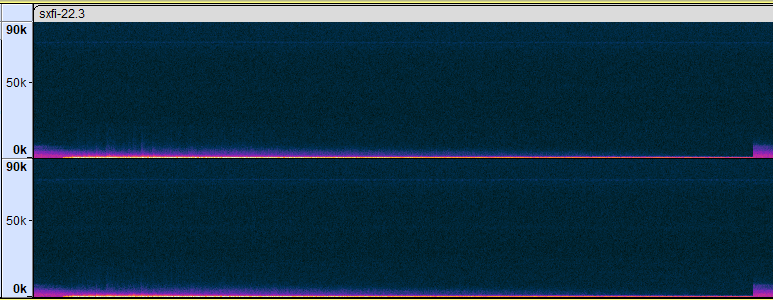
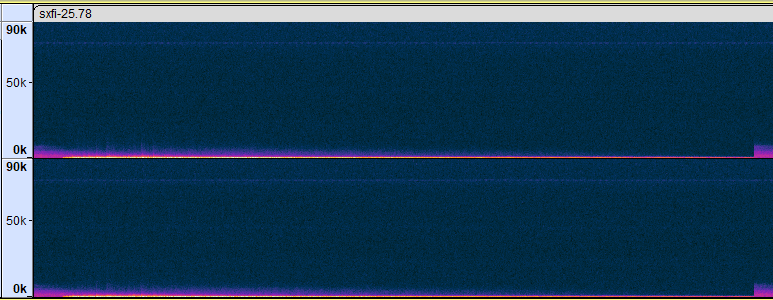
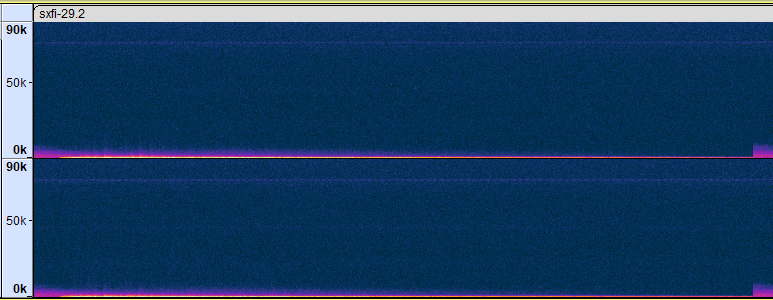
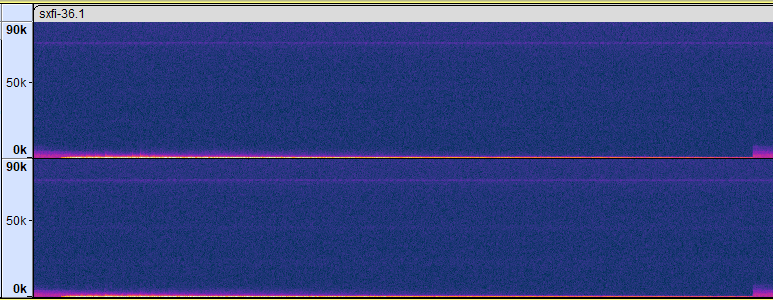
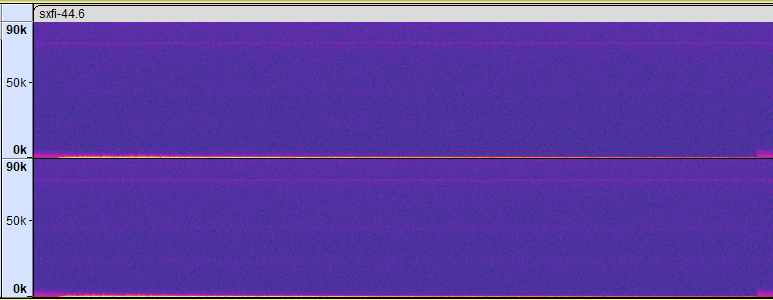
Below are the playback options with different volume control levels. For the convenience of listening, the volume is aligned to the same level. The recording was made with a sampling rate of 192 kHz. If the browser does not support flac, then the demo in mp3 is presented with a sampling rate of 48 kHz. On sonograms, the clicks are visible as vertical light stripes.

Having understood exactly how clicks sound, you can start testing your products on these DACs and understand whether there is a problem with the comfortable volume used or not. If there is a problem, then try contacting the manufacturer with a request to release firmware to fix this bug. You can share your results in the comments.

For comparison, "how it should sound", the same fragment was recorded from an alternative DAC AKM AK4377.


Examples of high-quality and low-quality signal reproduction Cirrus Logic CS43131/CS43198 and AKM AK4377


Volume level
dBFS
Sonogram Demo
0

Download in the format:
flac 48 kHz

-3

Download in the format:
flac 48 kHz

-7.5

Download in the format:
flac 48 kHz

-13.4

Download in the format:
flac 48 kHz

-15.4

Download in the format:
flac 48 kHz

-17.4

Download in the format:
flac 48 kHz

-23.4

Download in the format:
flac 48 kHz

-27.3

Download in the format:
flac 48 kHz

-32.5

Download in the format:
flac 48 kHz

-41.3

Download in the format:
flac 48 kHz


Examples of signal playback via AKM AK4377


Уровень сигнала
dBFS
Sonogram Demo
0


Download in the format:
flac 48 kHz

-6


Download in the format:
flac 48 kHz

-10.3


Download in the format:
flac 48 kHz

-17.2


Download in the format:
flac 48 kHz

-18.9


Download in the format:
flac 48 kHz

-20.6


Download in the format:
flac 48 kHz

-22.3


Download in the format:
flac 48 kHz

-25.8


Download in the format:
flac 48 kHz

-29.2


Download in the format:
flac 48 kHz

-36.1


Download in the format:
flac 48 kHz

-44.6


Download in the format:
flac 48 kHz


How to identify Class H mode in the reports of tested products

There are no problems on the spectra of ordinary technical signals in the form of a pure sine, but on more complex ones, like a multiton, spontaneous "micro-clicks" visually occur. Whether this is "treated" by firmware for existing devices is still an open question. The process of recording a signal from a device with CS43131/CS43198 and an alternative device with AKM AK4377 is shown below.


Left graph AK4377, right CS43131/CS43198


Your browser does not support Canvas
Example of a micro-click on a multiton for an amplitude of -9 dBFS versus no click at 0 dBFS


During the test, the devices reproduce a multitonal signal with a gradual decrease in amplitude.

CS43131 /CS43198 begins to "click" at certain amplitudes, which manifests itself in the twitching of the noise shelf. In the video, this is a 0.25-0.50 sec section.

To identify this problem through the product report, you need to view all the amplitudes for the multiton test in the line output report. If the noise shelf will fluctuate as in the video, then there is a problem.

Reports and reviews of tested products on CS43198 and CS43131:

Как выглядят щелчки?

To evaluate the appearance of clicks, a short excerpt from the test fragment was taken. The area where clicks were more frequent was selected. The fragment recorded with a sampling rate of 384 kHz. The fragment played with different amplitudes and sonograms and the type of wave are shown below.

0 dBFS

0 dBFS

-7.5 dBFS

-7.5 dBFS

-15 dBFS

-15 dBFS

-22.5 dBFS

-22.5 dBFS

-29 dBFS

-29 dBFS

-37.5 dBFS

-37.5 dBFS


There are no clicks in this fragment when the volume is set to 0 and - 37 dBFS, but they are for levels -7.5, -15, -22.5 and -29 dBFS.


CS43131/CS43198 settings in the DAC documentation

Datasheet CS43198/131

Datasheet CS43198/131


Datasheet CS43198/131

Datasheet CS43198/131


Datasheet CS43198/131

Datasheet CS43198/131


Datasheet CS43198/131

Datasheet CS43198/131


2022.05.05


More detailed

The FAQ was made by the creator of the RAA project Roman Kuznetsov.

Each FAQ is a detailed answer to a question from a site visitor. Or a text that could be repeated from review to review, but framed in a separate article allows you to make the reviews more compact.


Kuznetsov Roman
Founder of RAA


Known by the nickname romanrex
Аuthor of articles iXBT.com


Information for Authors. You can freely use the graphics in your articles with a link to us.


Original text in Russian page. Translation page is not yet ready

You can help with translation via the: facebook and feedback.